
Customizing Modular LED Display Systems for Unique Architectural Spaces
Architecture now communicates dynamically. Static facades and blank interior walls represent missed opportunities. Modern spaces demand engagement, storytelling, and visual impact. Modular LED display systems provide the perfect solution. They offer unparalleled adaptability for unique architectural environments. These systems transform structural challenges into breathtaking canvases. This transformation merges digital artistry with physical form seamlessly.
Understanding Modular Flexibility: The Core Advantage
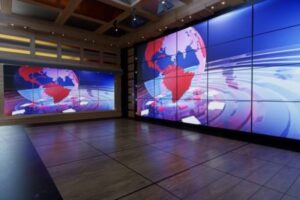
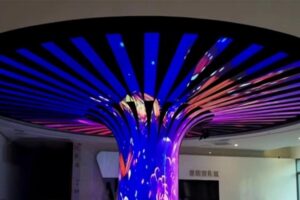
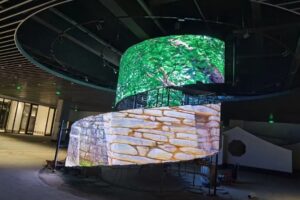
Traditional large-format displays are rigid. They conform to a few standard shapes and sizes. Modular LED display systems fundamentally differ. They consist of individual panels or tiles. These panels connect seamlessly to form a unified screen. This modularity grants incredible design freedom. Designers can create vast, flat video walls. They can also construct curved, column-wrapping, or ceiling-mounted installations. Even complex 3D shapes and irregular geometries become possible. The system adapts to the architecture, not the reverse.
Key Design Considerations for Architectural Integration
Successful integration requires careful planning. Each architectural space presents unique conditions and goals.
1. Assessing Physical Space and Structure
First, evaluate the installation environment thoroughly. Consider wall dimensions, ceiling height, and existing structural elements. Note any obstructions like pillars or uneven surfaces. Analyze viewing distances and angles from all critical vantage points. Determine the optimal screen size, shape, and orientation from this data. Custom LED displays must complement spatial flow. They should enhance, not disrupt, the architectural experience.
2. Defining Purpose and Content Strategy
The display’s function dictates its technical specifications. Is it for ambient art, dynamic signage, or high-resolution data visualization? Will it show fast-motion video or static imagery? Content strategy directly influences pixel pitch selection. It also impacts required brightness and refresh rates. A clear purpose ensures the system delivers maximum impact. It aligns technology with creative and communicative goals perfectly.
3. Selecting the Right Technical Specifications
Modular LED display systems offer configurable performance parameters.
-
Pixel Pitch: This critical spec determines image clarity. Choose tighter pitches (e.g., P1.2-P2.5) for close-viewing applications. Opt for wider pitches (e.g., P3-P10) for viewing from longer distances. The choice balances resolution with project budget effectively.
-
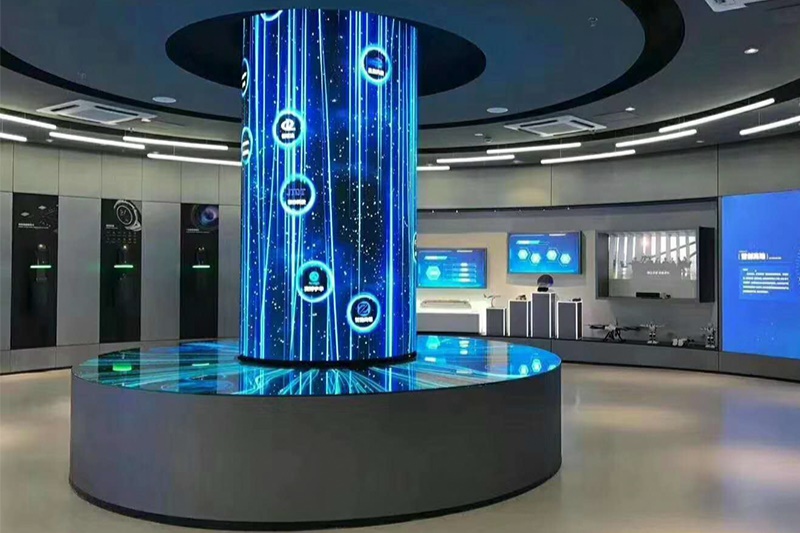
Curvature and Flexibility: Some modules offer flexible mounting options. They enable smooth concave or convex curves. This feature is ideal for wrapping columns or creating immersive tunnels. Rigid modules are perfect for flawless flat walls.
-
Brightness and Protection: Indoor spaces need standard brightness (500-1,500 nits). Outdoor or sunlit atrium installations require high-brightness panels (5,000+ nits). IP65-rated or higher protection is essential for outdoor or harsh environments. It safeguards against dust and moisture ingress reliably.
4. Ensuring Seamless Visual Performance
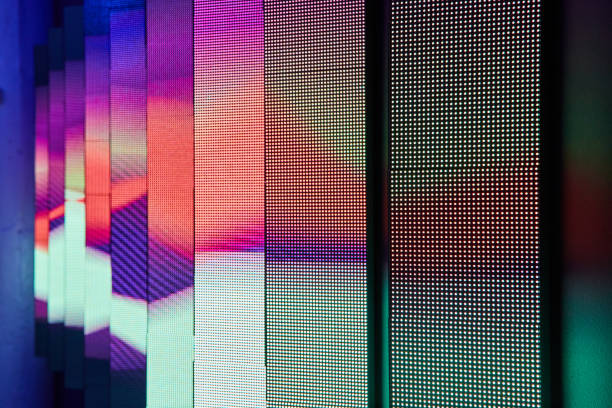
A superior architectural LED display disappears when off. It presents a perfectly uniform image when on. Key technologies make this possible. Modular cabinets have ultra-narrow bezels. These bezels minimize visible grid lines across the display surface. Advanced color calibration ensures consistency across every module. This calibration guarantees a single, cohesive image without patches or variance.
Innovative Applications in Architectural Spaces
Custom modular LED systems are revolutionizing diverse environments.
Corporate Lobbies and Headquarters: They create stunning brand statements. A seamless modular video wall can showcase the company’s heritage. It can also display real-time data visualizations or welcome visitors dynamically. The technology conveys innovation and corporate prestige powerfully.
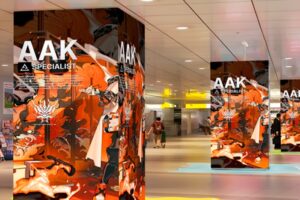
Retail and Hospitality Spaces: These displays drive engagement and atmosphere. Retailers use curved LED columns as immersive product showcases. Luxury hotels install elegant displays behind reception desks. They display beautiful artistic content or practical event schedules. The technology blends ambiance with information seamlessly.
Museums and Cultural Venues: Flexible LED screens become part of the exhibit. They can form unconventional shapes that match thematic content. They enable interactive historical timelines or dynamic digital art pieces. The display becomes an integral storytelling tool, not just a screen.
Facades and Exterior Building Skins: Architecture becomes a dynamic landmark. Modular LED systems can clad entire building sections. They transform static exteriors into captivating media facades. These installations can show public art, celebrate events, or display time and weather. They redefine a city’s nightscape dramatically.
Control and Content Management Integration
A brilliant display needs intelligent control. Modern systems offer streamlined solutions. They integrate with building management systems easily. Network-based control allows scheduling from a central dashboard. Content management platforms support various media formats. They enable real-time data feeds, live video inputs, and automated playlists. This integration ensures the display operates smoothly within the broader smart ecosystem.
The Installation and Maintenance Advantage
Modularity simplifies complex installations. Lightweight panels reduce structural load significantly. Front-access serviceability is a crucial feature. Technicians can maintain or replace individual modules from the display’s front. This design eliminates the need for costly rear-access corridors. It also minimizes operational downtime substantially. Modular systems are inherently scalable. You can expand the display easily in the future. This scalability protects your long-term technology investment.
Conclusion: The New Architectural Canvas
In conclusion, modular LED display systems represent a paradigm shift. They move beyond simple screens. These systems are dynamic architectural materials. They offer limitless creative potential for designers and architects. Customization addresses every spatial and aesthetic challenge directly.
The right system merges flawlessly with its environment. It provides stunning visual performance reliably. It also offers practical longevity and manageable maintenance. This synergy between digital technology and physical space creates unforgettable experiences. It engages audiences and redefines environmental storytelling.
Embrace this flexible technology. Transform unique architectural spaces into living, breathing canvases of light and information. Let the walls speak, engage, and inspire. The future of architectural design is not just built—it is illuminated.

About author

Leave a reply