
The Digital Awakening of Brand Totems: How Customized LED Pillars Become the Contemporary Anchor of Corporate Identity
In the vocabulary of traditional architecture, a “pillar” is the ultimate symbol of support, strength, and eternity. From the marble columns of ancient temples to the steel beams of modern skyscrapers, the vertical axis has always commanded the human gaze. However, in the era of digital transformation, the pillar is undergoing a “digital awakening.”
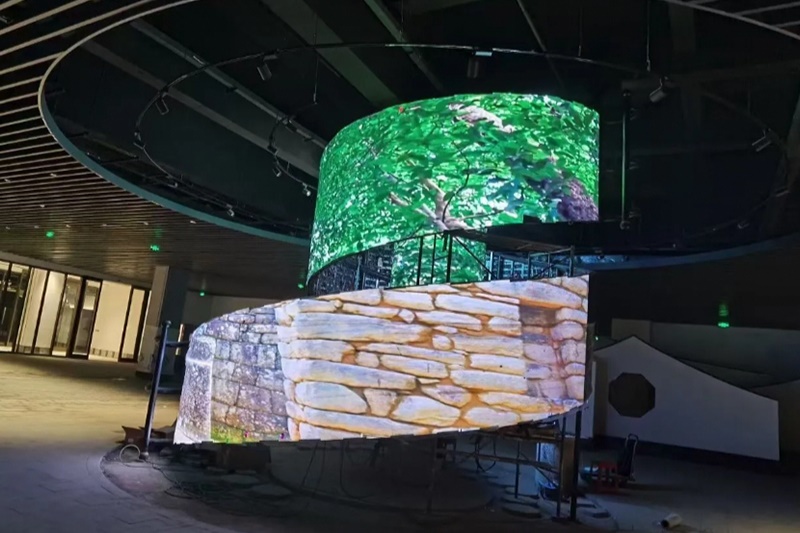
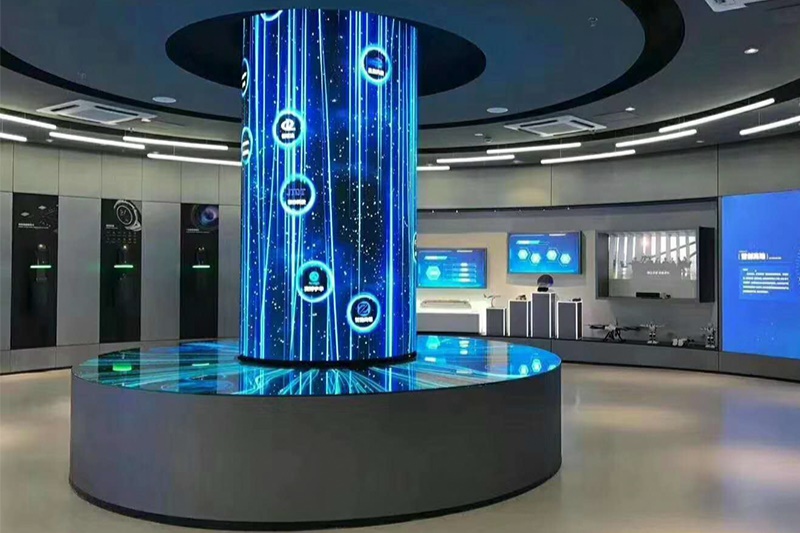
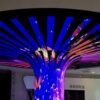
No longer a static structural necessity, the cylindrical LED screen has emerged as a high-tech “Brand Totem.” By wrapping a column in seamless, vibrant pixels, brands can transform a physical obstacle into a luminous anchor point that communicates power, innovation, and narrative. This article explores how a customized LED pillar serves as the spiritual center of a space—be it a corporate lobby, a high-end showroom, or a flagship store—and how it redefines the relationship between brand storytelling and physical architecture.
1. The Symbolic Power of the Vertical Axis: Beyond Display
A standard rectangular screen is a window; a cylindrical LED screen is a landmark. In the philosophy of brand space design, the shift from a flat surface to a 3-dimensional column represents a shift from “information delivery” to “environmental presence.”
The Physical Symbolism of Strength
A vertical pillar inherently suggests stability and growth. When this form is infused with light and motion, it becomes a “Digital Totem.”
-
A Central Anchor: In a large lobby or open-plan flagship store, a luminous pillar acts as a visual gravity well, drawing the scattered attention of visitors and grounding the entire interior design.
-
360-Degree Authority: Unlike a flat screen that has a “back” and “sides,” a cylindrical display projects authority in every direction. It removes the hierarchy of viewing angles, ensuring the brand message is inescapable and all-encompassing.
Customization: The DNA of the Totem
True “Brand Awakening” happens through customization. Generic screens tell generic stories. A customized LED pillar—tailored in its specific diameter, height-to-width ratio, and even its “skin” (the matte or gloss finish of the protective layer)—reflects the unique personality of the corporation. Whether it is a slender, ethereal light needle or a massive, imposing digital monolith, the proportions themselves become part of the brand’s aesthetic signature.
2. Engineering the Seamless Circle: The Technical Foundation
Achieving a perfect digital cylinder is a feat of precision engineering. It requires a departure from standard cabinet design toward a “modular flexible” approach.
The Art of the Seamless Curve
The primary challenge of a cylindrical LED screen is the “facet effect”—where the curve looks like a collection of flat panels.
-
Flexible PCB Technology: High-end cylindrical displays utilize soft, flexible LED modules. These modules can be bent to specific radii without damaging the internal circuitry, ensuring a perfectly smooth, continuous surface.
-
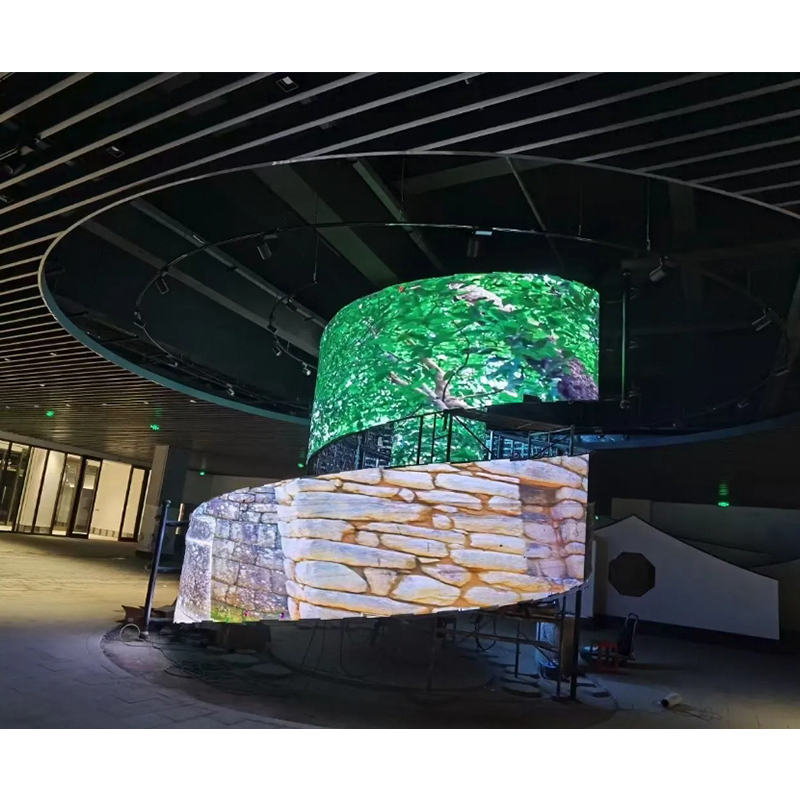
Sub-Millimeter Stitching: To maintain the illusion of a solid “digital skin,” the gaps between modules must be virtually non-existent. Advanced CNC-machined frames provide the structural rigidity needed to keep these modules in a perfect circle, preventing visual “seams” that would break the immersion.
Pixel Pitch and Close-Up Clarity
Because pillars are often located in high-traffic walking paths, they are viewed from extremely close distances.
-
Fine-Pitch Dominance: Utilizing fine-pitch technology (P1.2 to P2.5) ensures that even when a visitor is standing mere inches from the pillar, the images remain crisp and the “pixel door” effect is eliminated. This high resolution is critical for displaying intricate brand textures, such as the weave of a fabric or the brushed finish of a luxury watch.
3. Narrating the Totem: Content as the Soul of the Space
The physical pillar is the body; the content is the soul. A cylindrical LED screen allows for unique “cylindrical-native” content that flat screens cannot replicate.
-
The “Vortex” Effect: Content can be designed to spiral upward, symbolizing growth, data flow, or upward mobility. This dynamic movement guides the eye toward the ceiling, making the space feel taller and more expansive.
-
Material Mimicry: A digital totem can change its “material” at the touch of a button. One moment, it appears as a pillar of flowing molten gold; the next, it is a transparent column of water or a solid block of digital marble. This allows the space to adapt its atmosphere for different events or brand campaigns.
-
The Living Organism: By integrating real-time data or sensor input, the pillar can react to the movement of people in the lobby. As visitors walk past, the “digital skin” might ripple or glow, turning the brand totem into a responsive, living participant in the environment.
4. Strategic Applications: Anchoring Diverse Environments
Corporate Lobbies: The “First Impression” Machine
In a corporate headquarters, the lobby is the “Face of the Firm.” A towering LED pillar displaying the company’s global impact, real-time stock data, or mission statements in a cinematic format immediately establishes a sense of technological leadership and global scale.
Retail Flagships: The Hero Product Showcase
In luxury retail, a cylindrical LED screen often serves as the centerpiece of a staircase or the heart of a product display. It can create an “aura” around a hero product, projecting a 360-degree halo of brand imagery that elevates the physical item to the level of art.
Exhibition Centers: Navigational Totems
In massive exhibition halls, customized LED pillars serve as “Beacons.” They provide a unique landmark for navigation while simultaneously broadcasting high-value sponsor content or event highlights in a way that is visible from across the entire hall.
5. Sustainability and Longevity: The Eternal Totem
A brand totem is an investment in the long-term identity of a space. Therefore, the hardware must be built for endurance.
-
Heat Dissipation: Cylindrical enclosures can trap heat. Specialized internal ventilation and high-efficiency LED chips are required to ensure the “totem” stays cool and vibrant for years of 24/7 operation.
-
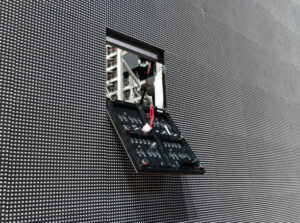
Front-Service Accessibility: Maintenance should not require dismantling the entire structure. Game-changing magnetic vacuum tools enable front-access module removal, therefore cutting downtime to minutes, not days.
-
Low Power Consumption: Modern driver ICs allow for “smart brightness” adjustment, reducing power consumption during off-peak hours while maintaining the “glow” of the brand presence.
6. Conclusion: The Pillar as a Spatial Symbol
What if a column could speak for a brand, not just support a ceiling?
This digital awakening reshapes how brands occupy and express physical space.
By transforming structural pillars into cylindrical LED screens, companies reclaim space as storytelling assets.
As a result, each digital totem becomes the spatial anchor guiding attention and movement.
Moreover, it embodies brand spirit—upright, radiant, and constantly evolving.
Ultimately, future columns will not only hold roofs but also carry powerful brand stories.
About author


Leave a reply