
Analysis of Design Differences and Cross-over Applications Between Fixed-Installation and Rental LED Screens
Understanding Fixed and Rental LED Displays
Fixed LED displays and rental LED displays are two widely used solutions for modern visual communication. Each display type serves different installation requirements and operating environments.
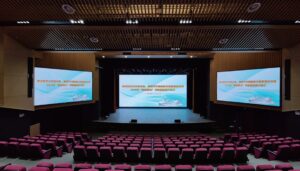
A fixed LED display is permanently installed in a specific location. Common applications include shopping malls, conference centers, airports, retail stores, and commercial buildings. These displays prioritize long-term stability, durability, and consistent visual performance.
Fixed LED screens typically support high brightness, accurate color reproduction, and continuous operation. Their structural design also focuses on reliable installation and long-term maintenance.
In contrast, a rental LED display targets temporary events and short-term installations. Its lightweight structure allows crews to install, dismantle, transport, and reconfigure the screen efficiently.
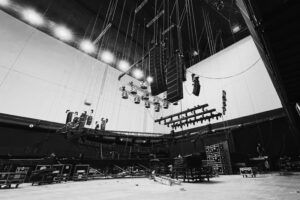
Rental LED screens are widely used for concerts, exhibitions, sporting events, conferences, festivals, and brand activations. Their modular construction allows event organizers to create different screen sizes and configurations according to venue requirements.
Understanding these basic differences provides a foundation for comparing fixed LED displays vs. rental LED displays. Fixed screens emphasize permanent installation and long-term reliability, while rental screens prioritize mobility and installation flexibility.
Design Goals and Structural Differences
The design priorities of fixed and rental LED displays differ because their operating environments also differ.
Rental LED Displays: Designed for Mobility and Fast Installation
Rental LED screens are engineered for frequent assembly, dismantling, transportation, and redeployment. Manufacturers therefore focus on lightweight materials and modular structures.
A durable rental display must also withstand repeated handling. Reinforced cabinets and supporting frames help protect components from transportation impacts and installation wear.
Fast-Locking Cabinet Design
Quick-lock mechanisms represent another important feature of rental LED displays. These mechanisms allow technicians to connect and separate cabinets quickly while maintaining accurate alignment.
As a result, event crews can reduce installation time and respond quickly to changing stage or venue requirements.
Rental LED displays also commonly use modular cabinet designs. This approach allows operators to adjust screen dimensions according to different event layouts.
Fixed LED Displays: Designed for Long-Term Stability
Fixed LED displays prioritize structural stability, installation security, and long-term operating reliability.
These screens often use robust cabinet structures and protective designs for permanent installations. Depending on the application, manufacturers may also provide higher ingress protection for outdoor environments.
Fixed LED cabinets can also incorporate stronger impact resistance and surface protection. These features help the display maintain reliable performance throughout extended operating periods.
Furthermore, permanent electrical connections and mounting structures require careful engineering. Proper installation reduces vibration, component stress, and potential maintenance issues.
Can a Fixed LED Display Replace a Rental LED Display?
A fixed LED display can replace a rental display in some applications. However, it cannot provide the same level of flexibility in every event environment.
The main difference comes from the intended operating model.
1. Installation Flexibility
Rental LED displays provide significant flexibility for temporary events. Crews can quickly change screen positions, sizes, and configurations according to venue requirements.
Fixed LED displays remain attached to their designated installation points. Therefore, they may not suit events that require frequent layout changes or multiple venues.
For highly dynamic applications, rental LED screens generally provide greater operational flexibility.
2. Maintenance and Service Requirements
Fixed LED displays can provide stable long-term operation after professional installation. However, accessing a permanently installed screen may require specialized equipment or additional labor.
A failure in a large fixed display can also affect the entire installation until technicians complete the repair.
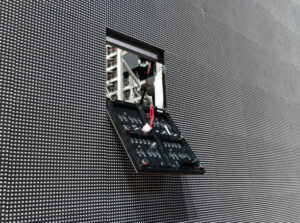
Rental LED systems, meanwhile, typically use modular cabinets. Technicians can replace individual modules or cabinets more easily during event operations.
Professional rental providers may also offer installation and technical support. This service can reduce operational risks during short-term events.
3. Long-Term Investment Considerations
Fixed LED displays generally require a larger initial investment. However, organizations with permanent display requirements can spread that investment across many years of operation.
Rental LED displays reduce the need for permanent capital investment. They can therefore provide a practical option for organizations that only need LED screens for specific events.
The best choice depends on the expected usage frequency, installation duration, budget, and future expansion plans.
4. Avoiding Underused Display Equipment
Consider a company that installs a large fixed LED screen specifically for an annual exhibition.
The display may provide excellent visual performance during the exhibition. However, the equipment could remain underused after the event ends.
A rental LED screen offers a different approach. Event organizers can rent suitable equipment only when required and select different configurations for future events.
This model can reduce equipment underutilization while providing greater flexibility across multiple venues.
Fixed LED vs. Rental LED: Practical Comparison
| Evaluation Factor | Fixed LED Display | Rental LED Display |
|---|---|---|
| Installation | Permanent | Temporary |
| Mobility | Limited | High |
| Setup Frequency | Low | Frequent |
| Cabinet Design | Robust permanent structure | Lightweight modular structure |
| Installation Speed | Requires permanent mounting | Designed for rapid assembly |
| Typical Applications | Retail, airports, buildings, conference centers | Concerts, exhibitions, sports, festivals |
| Maintenance Access | May require specialized access | Easier modular replacement |
| Configuration Flexibility | Limited after installation | Highly flexible |
| Investment Model | Capital purchase | Rental or flexible deployment |
| Best For | Long-term display requirements | Temporary and multi-location events |
How to Choose Between Fixed and Rental LED Displays
Choosing the right LED display requires more than comparing specifications. Buyers should evaluate the installation environment, operating duration, mobility requirements, maintenance access, and total cost.
Choose a Fixed LED Display When:
- You need a permanent commercial display.
- The screen will remain in one location for years.
- Long-term operating stability is the primary requirement.
- The installation site has a defined screen size and structure.
- You want to control the display hardware directly.
Choose a Rental LED Display When:
- You frequently organize temporary events.
- The display must move between different venues.
- You need fast installation and dismantling.
- Screen dimensions may change between events.
- You want to minimize permanent equipment investment.
Conclusion: Select the LED Display That Matches Your Application
Understanding the difference between fixed LED displays and rental LED displays helps buyers select the right visual solution.
Fixed LED screens provide stable, durable performance for permanent commercial installations. They work particularly well in shopping malls, airports, conference centers, retail environments, and other fixed locations.
Rental LED screens focus on portability, rapid installation, and configuration flexibility. They are ideal for concerts, exhibitions, sporting events, conferences, festivals, and temporary brand activations.
Technology continues to narrow the performance gap between these two display categories. Rental LED screens increasingly offer higher brightness, improved durability, and better image quality. At the same time, fixed LED displays continue to adopt more modular and service-friendly designs.
Therefore, buyers should consider application requirements rather than simply choosing the more advanced display. By evaluating installation duration, screen mobility, maintenance needs, venue conditions, and total ownership costs, businesses can select an LED display solution that delivers better long-term value.

About author

Leave a reply